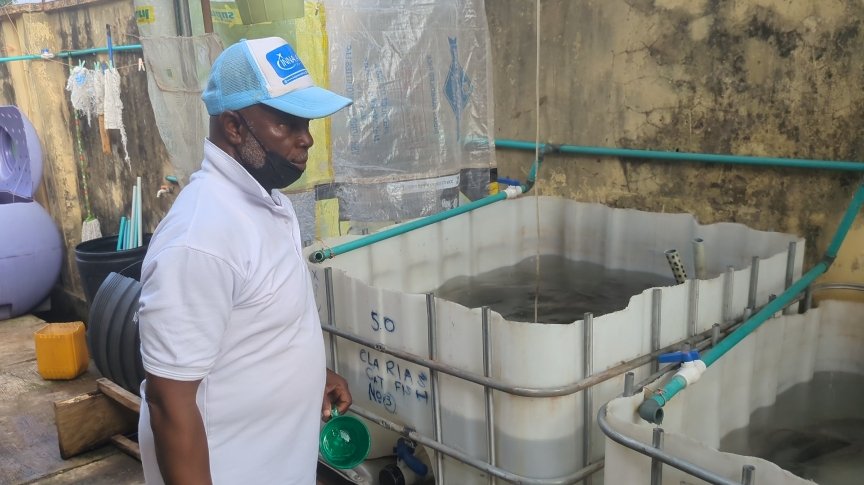

IKIRUN, Nigeria — A retired banker in Osun State says rearing catfish in his yard has kept him active and helped bring his blood pressure down, but a public health researcher says one man’s improvement does not prove the fish are the cause.
Abdullateef Arowolo, who is over 70, began the catfish project this year. He told CRJ News reporter his recent blood pressure readings were around 130/70, 130/75 and 125/65. He also said he feels more energetic and fulfilled.
Arowolo started his banking career in 1993 and retired in 2003. In his first month at home, he said, he thought he was resting. He soon found that staying indoors did not suit him, and that “lying down doing nothing does not promote good health.” He said he had a stroke earlier and later developed high blood pressure and body pain, which he links to moving less.
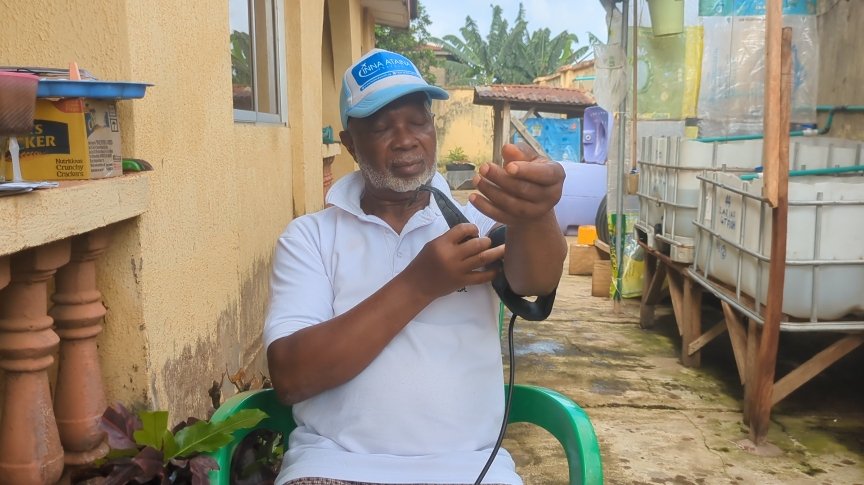
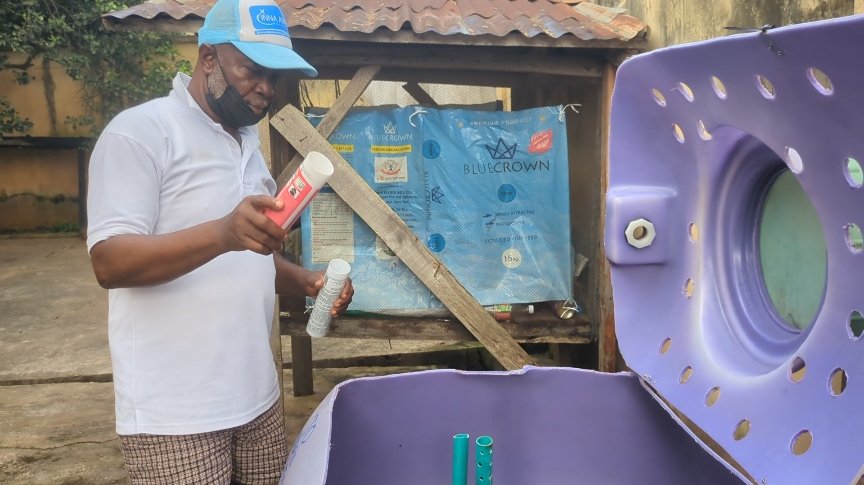
Fish farming had long interested him, he said. He set up in his yard with advice from a consultant named Aru and borrowed money to start. He said the work needs four basics: water, fingerlings, feed and management. His biggest problem in the first week was unreliable electricity. He covers the tanks overnight, and when he travels he schedules a fasting day for the fish, which he said catfish can tolerate. Arowolo said he learned that “going out and staying active is much better than staying indoors all the time.”
His experience reflects a wider concern. A survey of 425 Osun State residents aged 60 and older found about 44.7 percent had hypertension. In a study of 1,099 retirees in Kogi State, 52 percent screened positive for depressive symptoms and 21.8 percent were classified as lonely. Gbenga Olowoyo, general secretary of the Nigeria Civil Service Union, told Vanguard in April that data suggests nearly half of public servants die shortly after retirement.
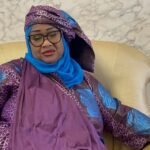
Olawuyi Abdullahi, a medical laboratory scientist and public health researcher, said in an exclusive interview with CRJ News reporter that those studies are not national estimates for all retirees. He added that the depression figure comes from a screening tool and not a clinical diagnosis. He said he is not a geriatric physician and that individual treatment decisions need the right specialist.
Abdullahi said retirement can remove the routine, responsibility and social contact that work provides. “Retirement itself is not an illness,” he said. The challenge, he said, is to replace work-related movement, structure and connection with safe, meaningful activities.
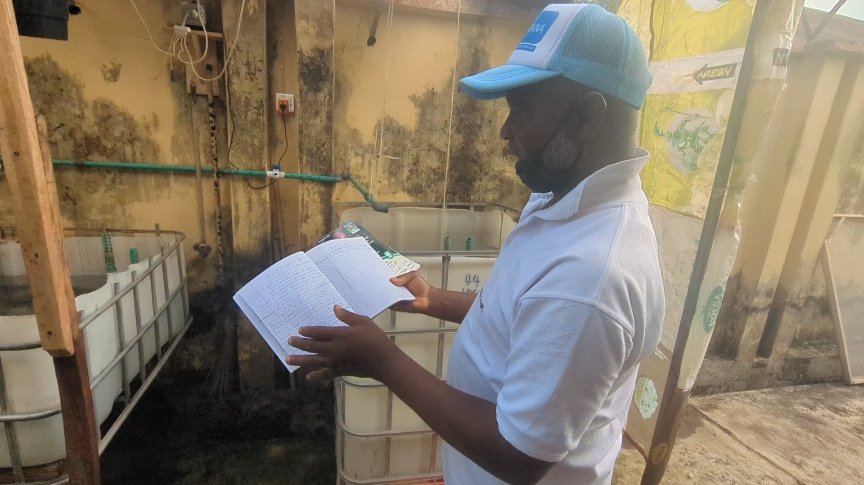
On Arowolo’s experience, Abdullahi said more movement, a new routine, better sleep, less stress, diet changes or taking medicine more consistently could all contribute. “One week of improvement does not prove that fish farming caused the change,” he said. He said he knows of no strong clinical evidence that home fish rearing on its own lowers blood pressure, treats depression or improves stroke recovery.
Pond work has risks, Abdullahi said, including slips on wet edges, back strain from heavy lifting, heat and contaminated water. He said people with a stroke history or poorly controlled blood pressure should consult a clinician before strenuous pond work, and no one should stop prescribed medicine because readings improve. “Fish farming may provide purpose and movement, but it is not a medical treatment,” he said.
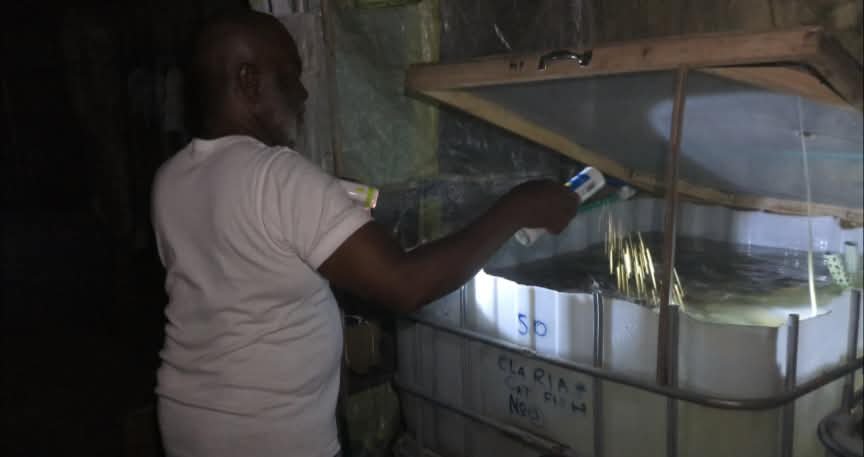
In his final words during the exclusive interview, Arowolo disclosed that he goes for medical check-ups every six months. He shares what he has learned with other retirees through local organizations and community forums as he hopes the farm’s profits will lead to financial freedom.