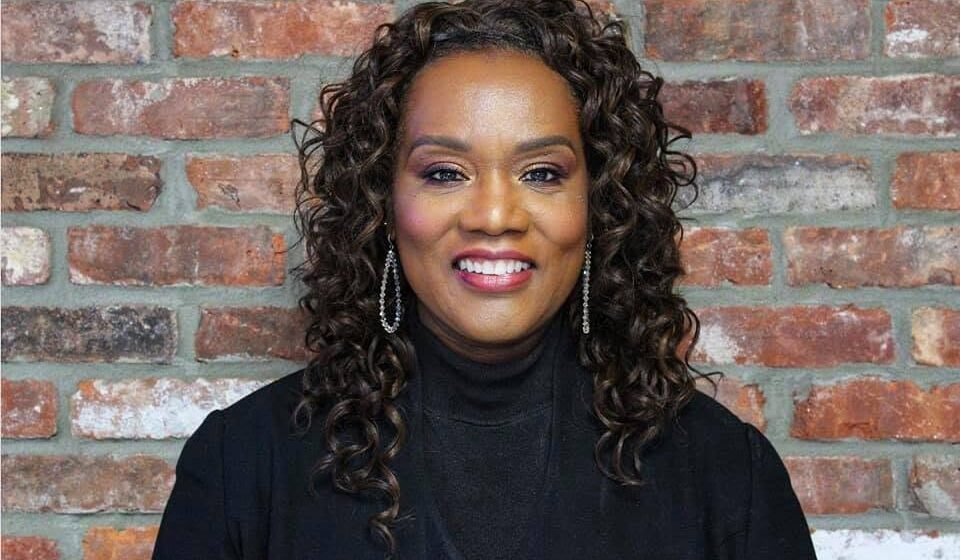

Terra Renee has spent 28 years pushing the film industry to make room for stories it has historically ignored. As founder and president of the African American Women In Cinema Organization, she has built platforms and professional networks for women of color filmmakers. In an exclusive interview with Mutiu Olawuyi, Renee spoke about what it would take for the Bronx’s West African immigrant community to get its own stories onto screen. This interview has been edited for length and clarity.
Q: When you think about African immigrant communities in the Bronx specifically, how visible are their stories in film and media right now?
A: Still significantly underrepresented. There are rich and compelling stories within these communities, but we don’t see enough of them reflected on our screens. The African diaspora is not monolithic; as in, a Ghanaian family, a Nigerian family, or a Senegalese family can have very different histories while sharing elements of the immigrant experience. The Bronx is filled with stories of migration, entrepreneurship, faith and cultural preservation. These aren’t just immigrant stories. They’re American stories, and deserve the same depth as any other community.
Q: What does “authentic representation” actually mean in practice, as opposed to how it often gets used as a marketing phrase?
A: It means the people being represented have a voice in how their stories are told. That doesn’t mean everyone on a project has to come from that community, but there needs to be cultural understanding and accountability. It also means moving beyond stereotypes — our communities are defined by joy, ambition and entrepreneurship, not only by struggle. And authenticity includes ownership: who tells the story, who gets paid, who gets credited. Those questions matter as much as who appears on screen.
Q: Five years from now, what would it look like for you to say film had genuinely changed how the Bronx’s African diaspora community sees itself?
A: I would want to see African diaspora filmmakers in the Bronx owning production companies, creating films and digital series that reflect their experiences. I would want young people to see people who look like them not only as characters, but as writers, directors and producers. Most importantly, I would want the community to understand that our stories have value, because when people see the value in their own stories, something changes. They begin to see themselves differently. That would be the real measure of success: not how many films were made, but whether they helped a community understand who it is, where it comes from and what it’s capable of becoming.