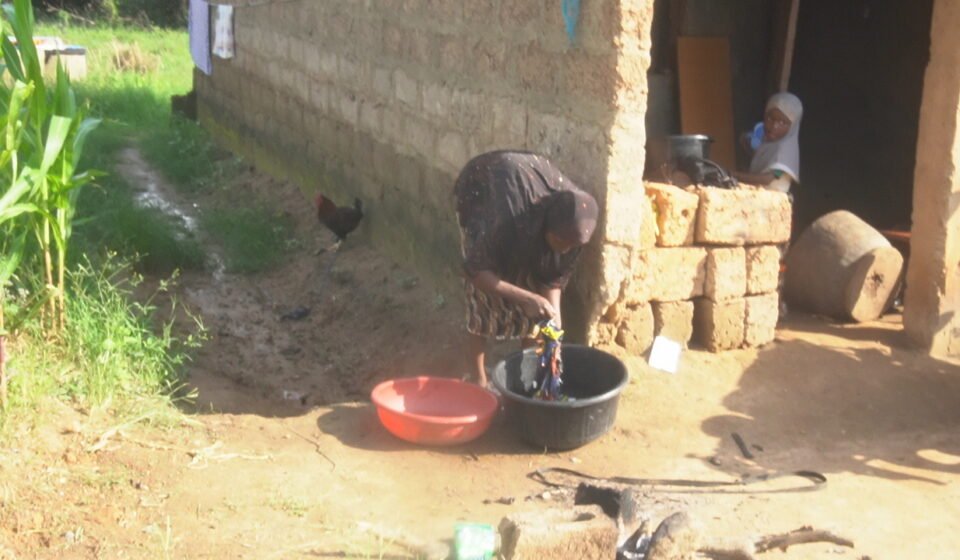
Osogbo flood victims rely on neighbor for shelter as government help has yet to arrive

This is a follow-up to “Osogbo residents rally to help flood victims, seek relocation support,” published Oct. 13.
OSOGBO, Nigeria — Four weeks after floodwater swept through Opeoluwa Oke-Osun Island, residents said Friday that no government official has visited the site or the families it displaced. The only help has come from a neighbor, who offered one family temporary housing.
Flood victim Mutiullah Abdullahi and his family are living in a vacant house the neighbor made available in the same community.
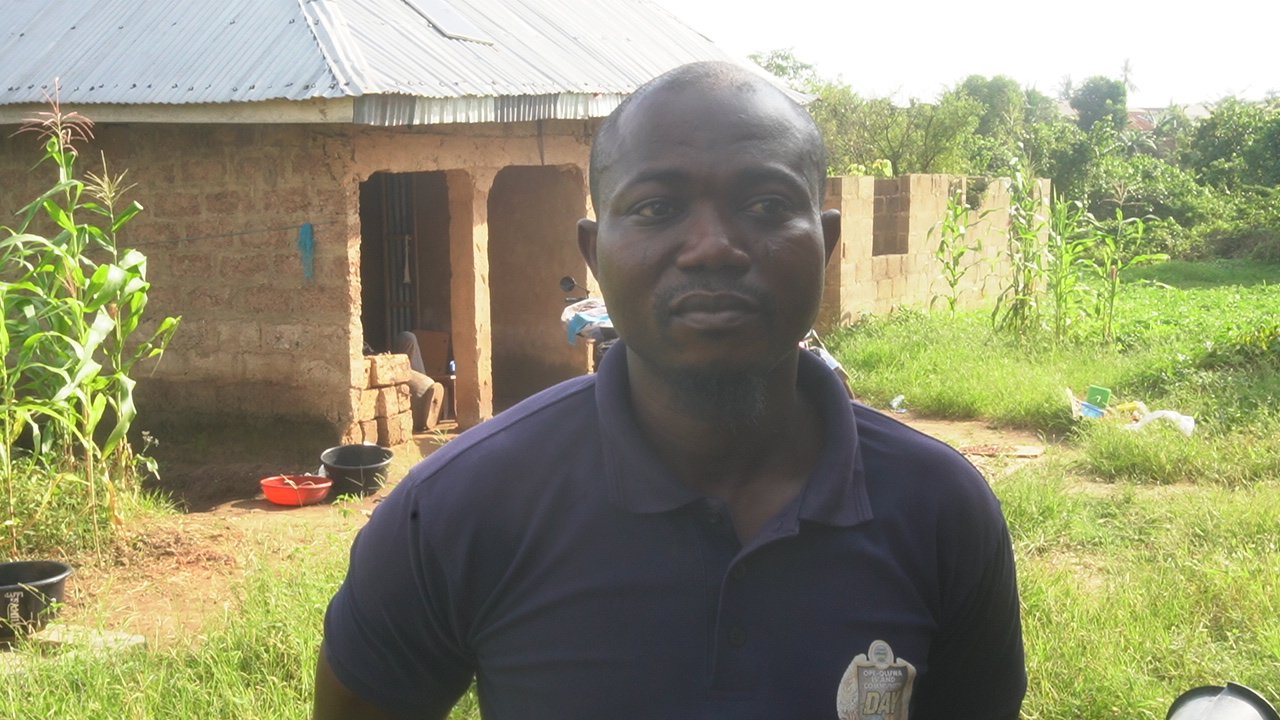
“Since the last time you came here, we have not for once seen any government official here, at least to pay us a visit, nor did we receive any support from the government or a single humanitarian or philantropic organization.However, my family and I are lucky because one of our neighbors offered us temporary housing until we get ourselves back on track again. We call on the government to come to our aid and assist us either by fixing the collapsed part of our buildings or relocate us to a better and safer environment,” said Abdullahi in a recent exclusive interview with CR Journalism.
“My husband wasn’t the only one affected as a farmer and head of the family. Our children’s school uniforms, bags, shoes and books were flooded away.They could not go to school for over a week because my husbad could not immediately afford the replacement of the lost school materials. I too, who is breastfeeding a baby, lost a lot of things that could have made life easier for me as a nursing mother,” Habeebat, his wife, added.
Abdullahi earlier appealed to the government, philanthropists and humanitarian organizations for help, especially relocation.
Dr. (Imam) Abdullahi Abu-Khadijah, a community leader, and affected residents told this reporter Oct. 30 that no other support has reached the families since the flood.
“So far we haven’t got any substantial help from the government be it local, state or federal level. We’re still waiting for help, although some community members have been supportive especially by allowing some victims of the flood to squirt with them until they find pernament solution to the flood disaster or get help on their housing challenges,” Dr. (Imam) Abdullahi Abu-Khadijah
The imam asked for at least temporary relief for families who lost property when the water rose on Oct. 2.
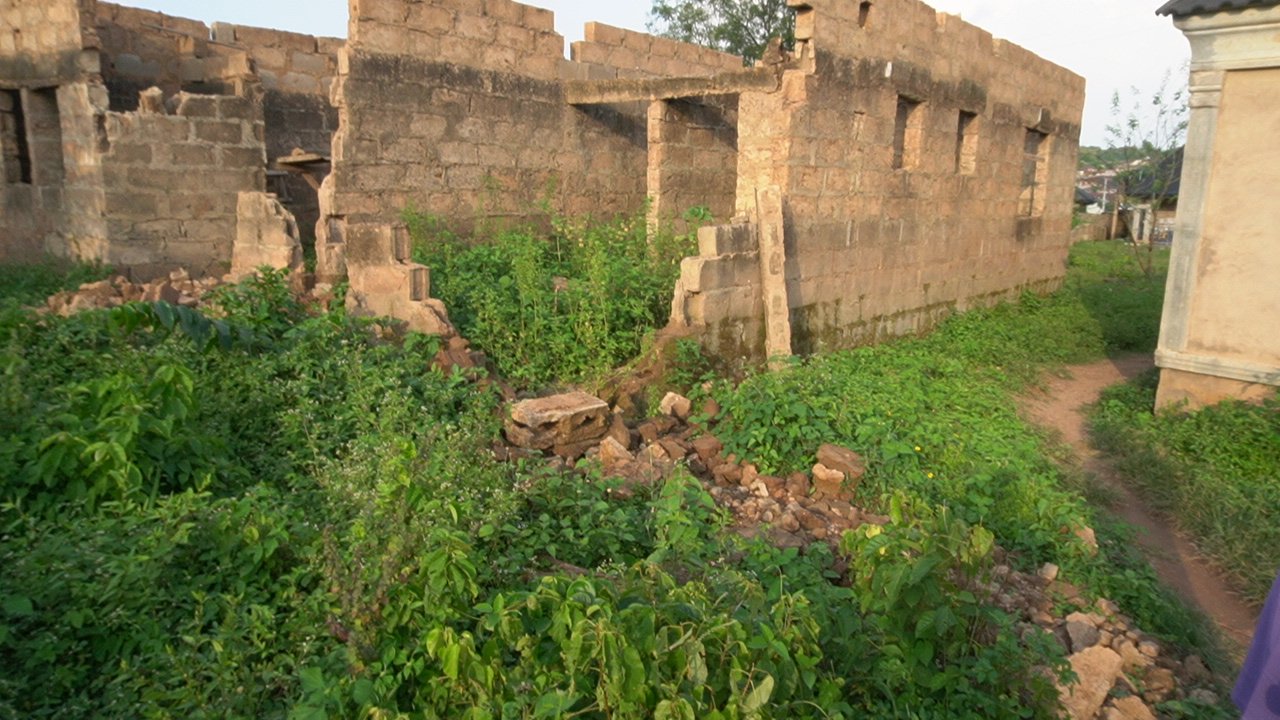
The state government has acknowledged the flooding in general terms. In a Sept. 30 statement, Gov. Ademola Adeleke directed the Special Task Force on Environmental Sanitation, led by Ayanleye Aina, to visit affected areas, assess conditions contributing to the flooding and prepare a response plan. The governor said his administration had already carried out initial dredging and drainage work and promised further action. He also urged residents to stop dumping refuse on waterways and to avoid building on natural water channels.
As of Oct. 30, no published report reviewed for this story says the task force or any other agency has been to Oke-Osun Island.
The island is one of several parts of Osogbo hit by the flooding. The Sun reported Oct. 1 that about 200 residents had been displaced in another part of the city, according to a Tribune correspondent who was among them. New Telegraph reported the same day that some families were counting losses estimated at 3 million to 10 million naira each.
The flooding followed days of heavy rain that pushed the Osun River over its banks. Tribune reported Sept. 28 that residents asked the government to inspect affected areas and clear blocked drainage channels. Radio Nigeria Ibadan reported Sept. 30 that community leaders asked for the river to be dredged and that the state environment commissioner promised to work out ways to prevent future flooding.
For now, the neighborhood is carrying the burden itself. The imam said neighbors rallied around the victims from the start, and the housing offer shows that goodwill continues. What the families need, he and the victims said, goes beyond what neighbors can give: shelter that lasts, relief supplies and a plan for relocation.
The task force’s promised response plan could meet some of those needs, starting with a visit to the island to count the affected households and record what they lost. Dredging and drain clearing would address the flooding itself.
Photo credit: Mutiu Olawuyi