
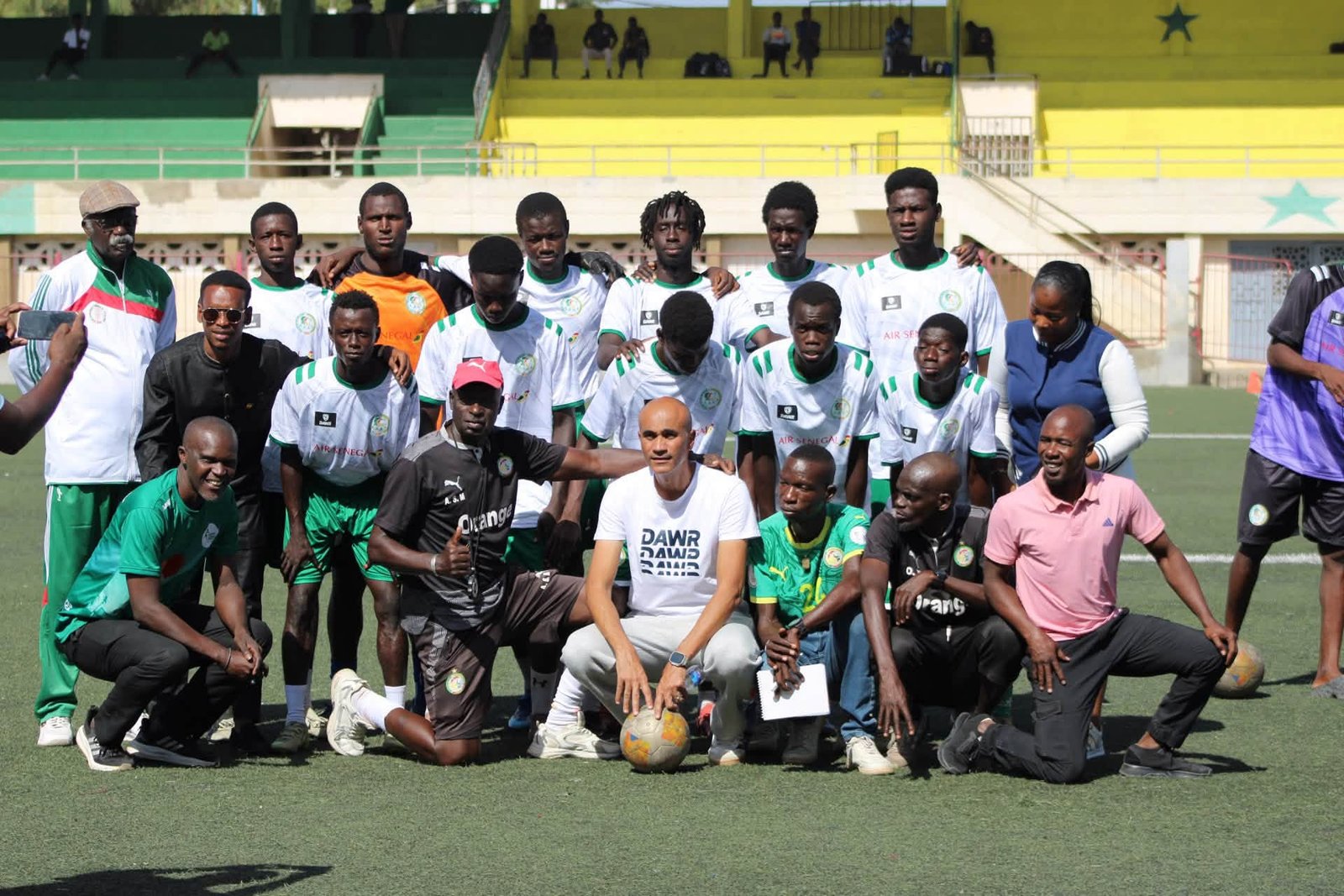
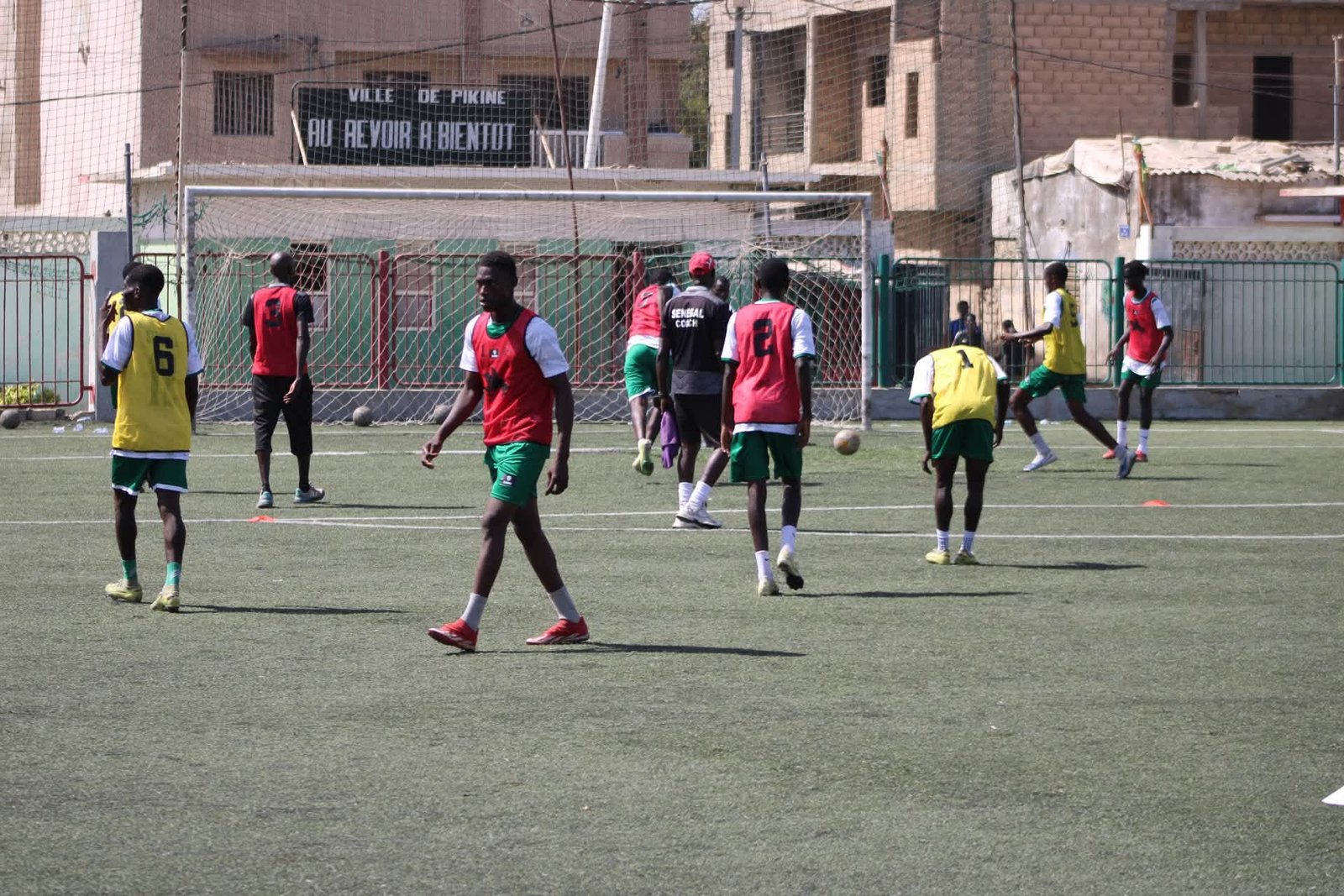
PIKINE, Senegal — Senegal’s national deaf football team finished its final training and preparation at Alassane Djigo Stadium in Pikine, in the Dakar region, on November 20, 2026, before heading to Ethiopia. Its leaders say the players carry great pride and need the full backing of the state.
It was at this event all the players, coaches, and other technical team members were handed equipment and resources needed to compete in Ethiopia.
Alioune Sow, president of the Senegalese Deaf Sports Association (ASSS), said in written responses to CRJournalism reporter that playing in the African championship in Addis Ababa is “great pride and an immense responsibility.” The inaugural Deaf African Football Cup of Nations runs from Nov. 30 to Dec. 13, The Nation reported. The association said Senegal’s group includes Cameroon, South Sudan and Somaliland.
Pride and a lesson
 Sow knows the team from the inside. He was a national team player and sports officer in 2019, a player at the 2022 Deaflympics in Brazil and an assistant coach in 2023 when Senegal won bronze at the World Cup in Malaysia, he said. Africa Soccer reported that Senegal finished fifth in 2022 and took bronze in 2023. Sow also said Senegal won an African title in Kenya in 2021.
Last year, Senegal withdrew from the Tokyo Deaflympics because of funding. Sow said the lesson was clear. “Taking part in an international competition does not depend only on the talent and motivation of the players,” he said. “It also requires good preparation, a solid organization and, above all, enough financial support.”
Funding and a gap
This time, Sow said, the Ministry of Sports is paying for the team’s travel, including plane tickets, lodging and payments before departure, and the sponsor DAWR is helping. “We sincerely thank DAWR and the Ministry of Sports,” he said. But the association has no other regular sponsors, and Sow appealed to businesses to build lasting partnerships. “We do not want to look for partners only as big competitions approach,” he said.
Team officials raised a different concern in an interview with sports consultant Momodou Fall. They said they asked to send 38 to 40 people, including players, medical staff, sign language interpreters and technical trainers, but that ministry guidelines would cap the group at 30, and at times at 18. They also said the squad struggled to find a training pitch in Dakar, a problem solved only after the city mayor stepped in. The officials described the players as already facing communication barriers and asked authorities not to add administrative ones.
Fall, a Senegalese activist and sports consultant, called on the government to give the team the support it needs to succeed in Ethiopia.
Dec. 3 and sign language
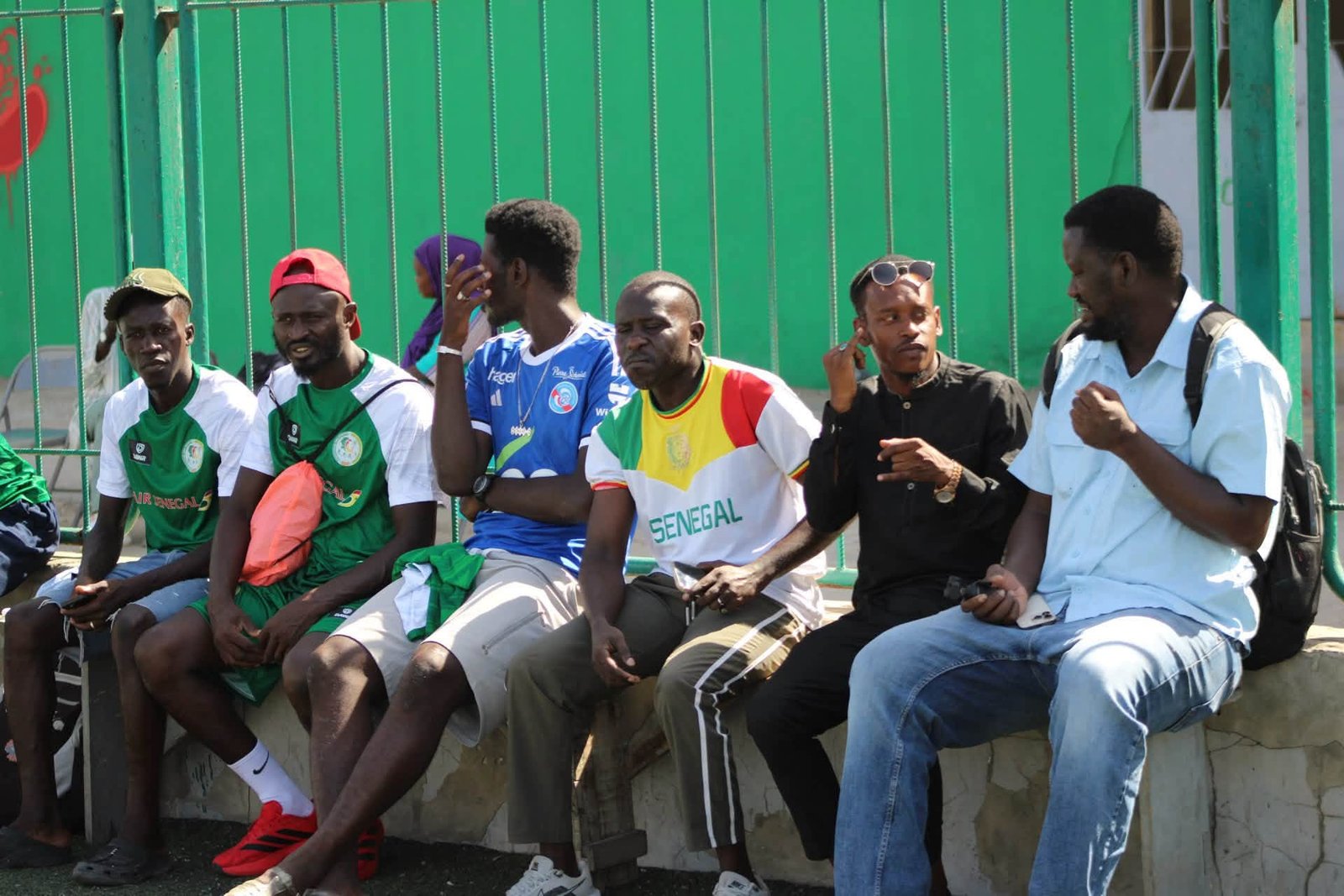
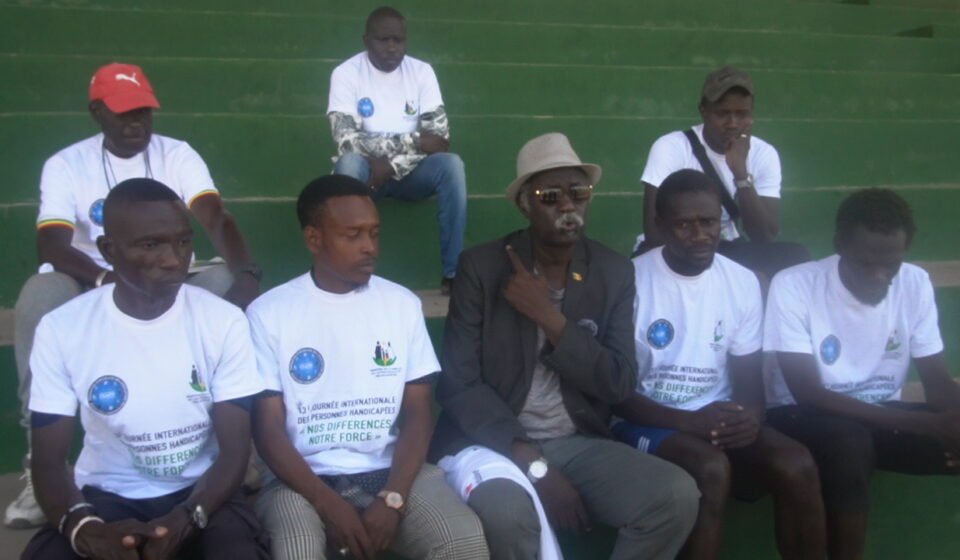
The team leaves as the General Directorate of Social Action (DGAS) at the Ministry of Family, Social Integration and Solidarity prepares to mark the International Day of Persons with Disabilities on Dec. 3. Anta Ndiaye, who coordinates the preparations, commended the team’s resilience and wished the players victories and good luck in Ethiopia. [One or two sentences on the commemoration, as Ndiaye described it: the program, place, theme and who will take part.]
Team officials also asked public institutions to teach sign language. They said that in Kenya and Malaysia they saw hospital staff, police officers and bank tellers use it, and they said deaf Senegalese deserve the same.
For Sow, success is more than goals. He said he wants to show deaf children “that deafness must never be an obstacle to their dreams.”
His message to supporters before the first match: “Together, let us support our Deaf Lions! Long live Senegal!”